
Most people get their vehicle detailed, love how it looks, and then watch it slowly go back to where it was.

Not because they don’t care. But because they have no system.
Here’s what actually happens after a full detail: the paint starts collecting contamination. Surfaces lose their protection. The interior slowly degrades back to its previous state. And because the decline is gradual, most people don’t notice it until the vehicle is already back where it started. Then they book another full detail. And the cycle repeats. That cycle is expensive. It’s also completely avoidable.
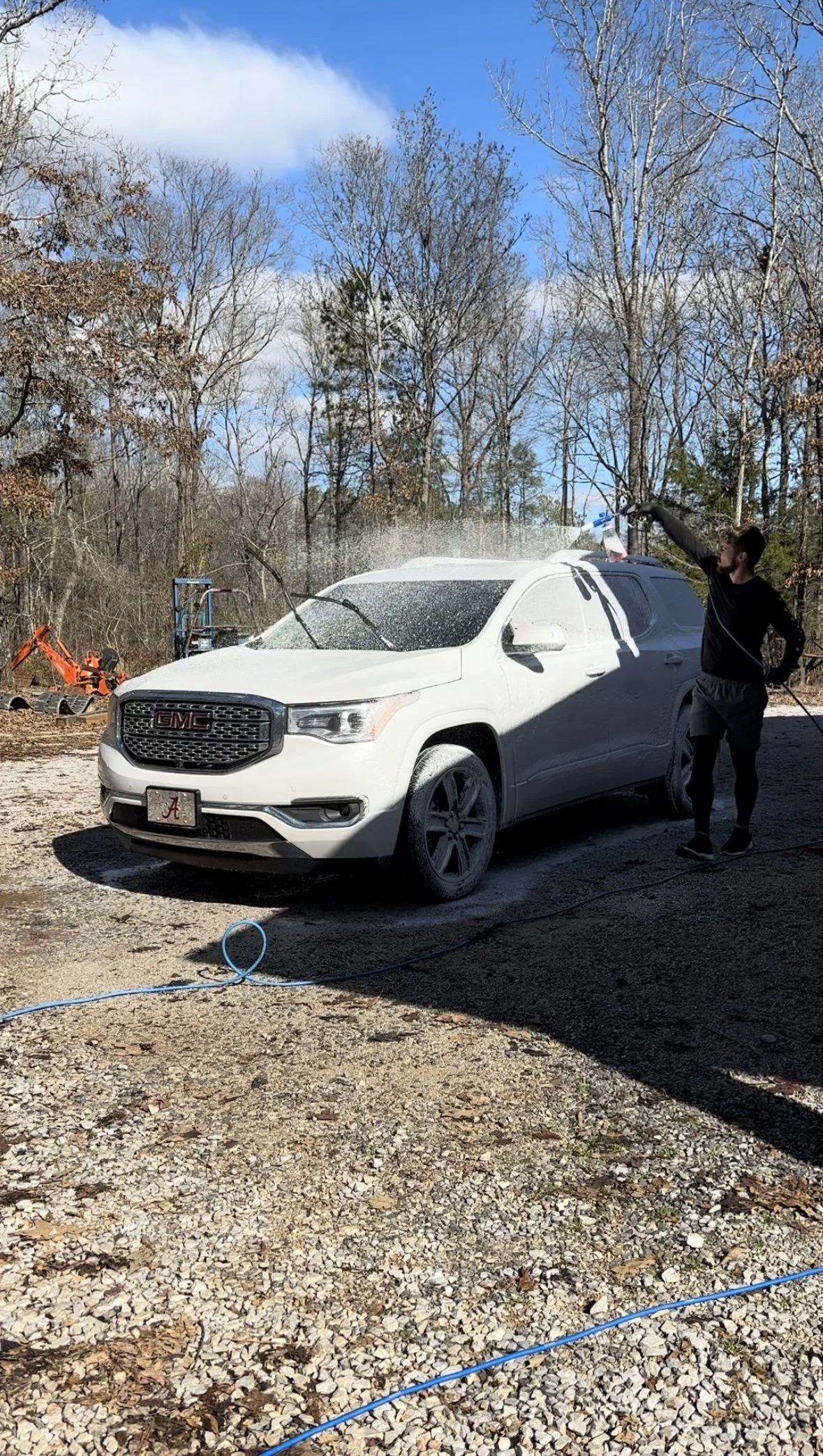
The KAD Management Plan is not for every vehicle. Here’s why.
Management only works when there’s a baseline worth maintaining. If we put a vehicle on a recurring management schedule before it has been properly restored, we’re not managing its condition - we’re just cleaning a deteriorating surface on a schedule. That’s not what this plan is for. Every vehicle enrolled in the KAD Management Plan must first complete (after an Assessment) a Baseline or Correction through Kelly Auto Detailing. That service establishes the baseline. Once the vehicle is where it needs to be, the Management Plan keeps it there. If your vehicle hasn’t had a Baseline or Correction with us yet, an accurate Assessment is where we start.
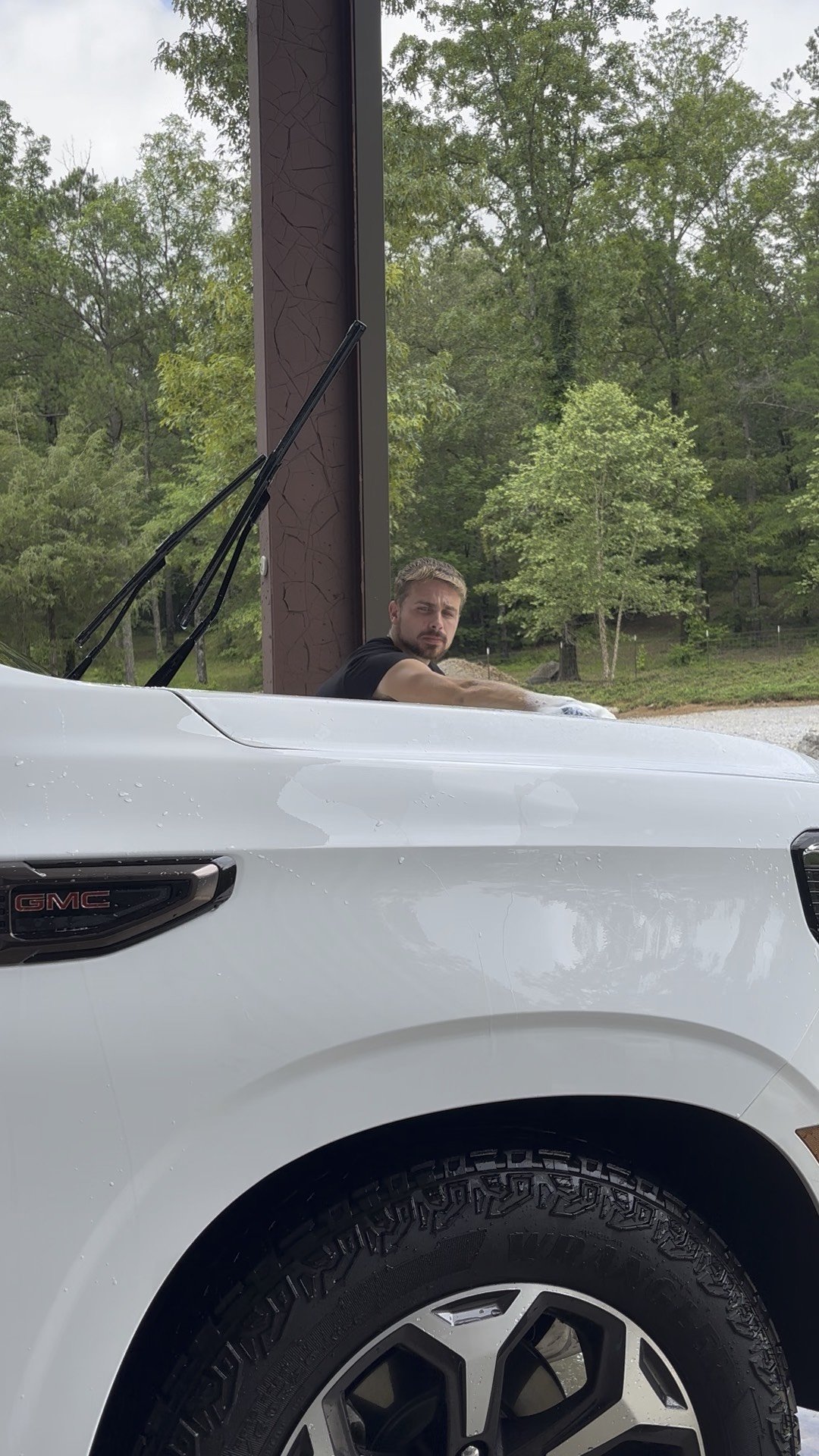
What you get with your Management Plan:
Every vehicle under our Management plan receives the same baseline standard of care each time we arrive - regardless of what else the visit requires.
Protected exterior - full wash including wheels and fender wells, every visit
Reinforced protection - ceramic coating (if applicable) is boosted & maintained
Cleaned interior - vacuumed, cleaned, and conditioned so it matches the exterior
Documented condition - every visit is logged in your Vehicle Condition Operating System. Your paint, interior, glass, wheels, and protection level are scored, recorded, and tracked over time so you always know exactly where your vehicle stands
How Frequency is Determined
Your Management schedule isn’t something you pick. It’s something we determine. Every vehicle enrolled in Management gets a schedule built specifically for that vehicle. We determine the frequency based on:
Exposure level - where the vehicle is stored, how much it’s outside, and what elements it’s regularly exposed to
Drive frequency - how often the vehicle is driven and under what conditions
Protection applied - whether the vehicle has a ceramic coating and what level of protection is in place
Storage conditions - garage, outdoor, covered, climate-controlled
Age of vehicle - older vehicles and their surfaces require different care intervals.
A daily driver parked outside in Alabama summer heat needs a different schedule than a weekend vehicle stored in a climate-controlled garage. We don’t apply a one-size-fits-all cadence. We apply the right cadence for your vehicle. And none of this is guesswork. Every visit is documented. Every condition change is noted. Twice per year, we review the vehicle’s condition recorded with you and adjust the plan if anything has changed.
Your vehicle always has a record.
From the first Condition Assessment through every Management visit, everything is tracked. The condition of the paint, interior surfaces, and any areas of concern are documented at each appointment. That record travels with the vehicle and informs every decision we make going forward. Twice a year, we sit down with that record and review it with you. If the vehicle’s condition is holding exactly as expected, we stay the course. If something has changed - a new scratch, a change in how the vehicle is being stored, increased exposure - we adjust the schedule and the approach accordingly. You’re not just paying for a clean car. You’re paying for someone who knows your vehicle’s history and is managing its long-term condition with that history in mind.
Ready to stop reacting and start managing? Management is available to clients who have completed Baseline or Correction throughout KAD. If you’ve done that, reach out and we’ll discuss enrollment. If you haven’t, that’s where we start - and it’s the only way the system works.
OR